12 Low-Impact Dumbbell Workouts to Build Strength
Let’s dive into these simple but powerful workouts that you can easily add to your fitness routine at home or at the gym!
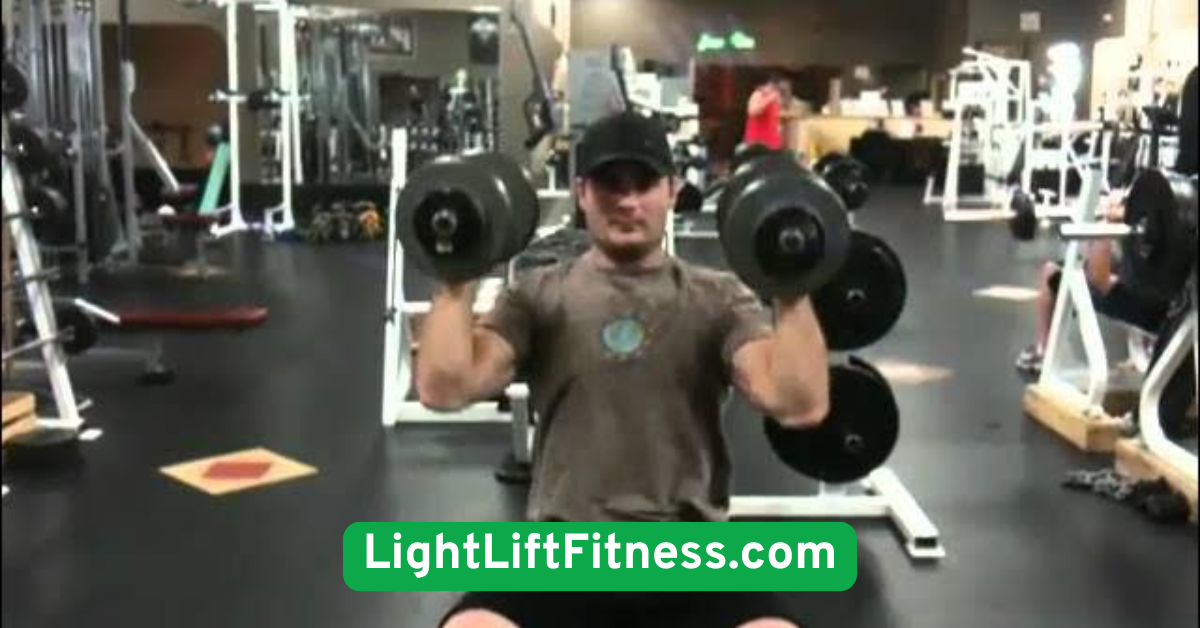
1. Dumbbell Seated Shoulder Press
The dumbbell seated shoulder press is a classic exercise that targets your shoulder muscles while minimizing strain on your lower back and knees. Sitting down during this move keeps your posture stable and reduces the chance of injury.To perform this exercise, sit on a sturdy chair or bench with your back straight. Hold a dumbbell in each hand at shoulder height with palms facing forward. Slowly press the weights upward until your arms are fully extended but not locked out. Lower the dumbbells back to the starting position with control.This move strengthens your deltoids, improves shoulder stability, and enhances upper body strength. Beginners should start with light weights and focus on smooth, controlled motion to avoid straining the neck or shoulders. As you progress, increasing the weight or reps will challenge your muscles further without adding joint stress.
2. Dumbbell Bicep Curl
If you want toned arms without risking joint pain, the dumbbell bicep curl is a low-impact go-to. This exercise isolates your biceps and helps improve muscle definition in your upper arms.Stand or sit with a dumbbell in each hand, arms fully extended and palms facing forward. Slowly curl the weights up toward your shoulders, squeezing the biceps at the top of the movement. Lower the dumbbells back down in a controlled manner.Proper form is key — avoid swinging your body or using momentum. Instead, focus on slow, deliberate movements to maximize muscle engagement. For variation, you can alternate arms or perform hammer curls where palms face each other, which targets slightly different muscle fibers and strengthens your forearms as well.

3. Dumbbell Tricep Kickbacks
Toning the back of your arms requires focusing on the triceps, and dumbbell tricep kickbacks offer a joint-friendly way to do just that. This exercise also helps improve arm strength for daily activities.To perform, bend forward at the hips with a flat back, knees slightly bent, and dumbbells in hand with palms facing your torso. Keeping your elbows tucked close to your body, extend your arms backward until fully straightened, then return to the starting position.This movement isolates the triceps and is excellent for muscle toning. Keep your core engaged to protect your lower back and maintain proper posture. Avoid heavy weights at first; focus on perfecting the form to prevent shoulder or elbow discomfort.

4. Dumbbell Goblet Squat
Building lower body strength doesn’t have to be hard on your joints. The dumbbell goblet squat is a low-impact squat variation that helps strengthen your quads, glutes, and hamstrings with support from holding a dumbbell close to your chest.Stand with feet shoulder-width apart holding a dumbbell vertically against your chest with both hands. Lower yourself down by bending your knees and pushing your hips back as if sitting in a chair. Keep your chest up and back straight. Pause briefly at the bottom, then push through your heels to return to standing.This squat variation is easier on the knees compared to traditional barbell squats and perfect for beginners or those with limited mobility. It also helps improve balance and posture, making it a staple for any strength-building routine.

5. Dumbbell Deadlift (Romanian Style)
The Romanian dumbbell deadlift targets your hamstrings, glutes, and lower back without heavy strain. It’s a great exercise to build posterior chain strength while protecting the spine.Hold a dumbbell in each hand in front of your thighs, feet hip-width apart. With a slight bend in the knees, hinge at your hips and lower the dumbbells slowly toward your shins, keeping your back flat and core tight. Stop when you feel a stretch in your hamstrings, then return to standing by driving your hips forward.Focus on controlled, deliberate motion and avoid rounding your back to prevent injury. This move improves posture, reduces back pain risk, and supports overall strength gains.

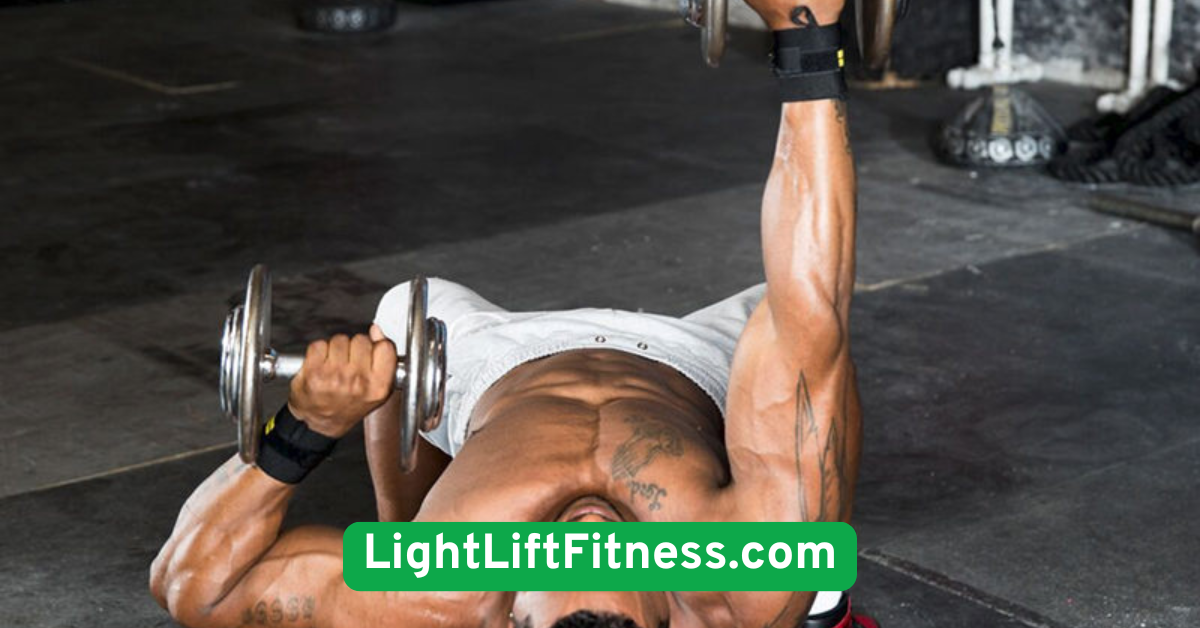
6. Dumbbell Chest Press (On Floor or Bench)
The dumbbell chest press is a classic upper body exercise that’s effective yet low-impact. Performing it on the floor reduces shoulder strain while building chest, shoulder, and tricep strength.Lie on your back on a mat or bench holding a dumbbell in each hand at chest height. Press the weights upward until your arms are fully extended. Slowly lower back down with control.This exercise improves muscle tone and strength, and focusing on steady breathing helps maximize results. It’s a safer alternative to barbell presses, especially for those with shoulder issues.
7. Dumbbell Lateral Raises
For well-rounded shoulder development without harsh joint impact, dumbbell lateral raises are a great choice. They primarily work the side deltoids and add width to your upper body.Stand with dumbbells by your sides, palms facing inward. With a slight bend in the elbows, lift the weights out to the sides until your arms are parallel to the floor. Slowly lower back down.Keep the movement slow and controlled to avoid swinging or shoulder strain. Start with lighter weights and gradually increase resistance as your muscles strengthen. This move is fantastic for shoulder stability and posture improvement.

8. Dumbbell Step-Ups
Step-ups are functional exercises that improve leg strength and balance, and incorporating dumbbells adds resistance without stressing your knees.Holding dumbbells at your sides, step onto a sturdy bench or platform with one foot, pressing through the heel to lift your body up. Step down carefully and repeat on the other leg.This workout builds quads, glutes, and calves while enhancing coordination. It’s adaptable for all fitness levels by adjusting step height or dumbbell weight.

9. Dumbbell Russian Twists (Seated)
Strengthening your core can be low-impact too! Dumbbell Russian twists are perfect for targeting obliques and improving torso rotation.Sit on the floor with knees bent, holding one dumbbell with both hands. Lean back slightly and twist your torso from side to side, moving the dumbbell across your body.Keep movements controlled and your back straight to avoid strain. This exercise enhances core stability, which supports better posture and reduces injury risk.

10. Dumbbell Front Raises
Dumbbell front raises focus on the anterior deltoids and add definition to your shoulders without heavy joint load.Hold dumbbells in front of your thighs with palms facing your body. Raise the weights straight forward to shoulder height, then lower them slowly.Avoid jerky movements or using momentum to prevent shoulder injury. This exercise complements other dumbbell moves for balanced shoulder development.

11. Dumbbell Hammer Curl
A variation on traditional curls, the hammer curl targets biceps and forearms while being gentle on wrists.Hold dumbbells with palms facing your torso. Curl the weights up without rotating your wrists, then lower them with control.Hammer curls improve grip strength and add muscle definition. Perfect for beginners and those with wrist discomfort.
12. Dumbbell Calf Raises
Calf raises build strength and endurance in your lower legs, and adding dumbbells intensifies the workout without joint stress.Hold dumbbells at your sides and stand with feet hip-width apart. Rise onto your toes as high as possible, pause, then slowly lower your heels back down.This exercise enhances ankle stability and overall leg strength, making everyday activities easier and preventing falls.

Conclusion
Low-impact dumbbell workouts are an excellent way to build strength safely and effectively, especially if you want to protect your joints or are new to resistance training. These 12 exercises cover all major muscle groups and can be adapted to fit your fitness level and goals.
Consistency is key! Aim to incorporate these workouts into your routine 2-3 times a week and progressively increase weights or repetitions to keep challenging your muscles. Remember, building strength doesn’t mean you need to push your body to its limits with high-impact moves—gentle, mindful training can yield amazing results.


